
Indigenous People Celebrations in November
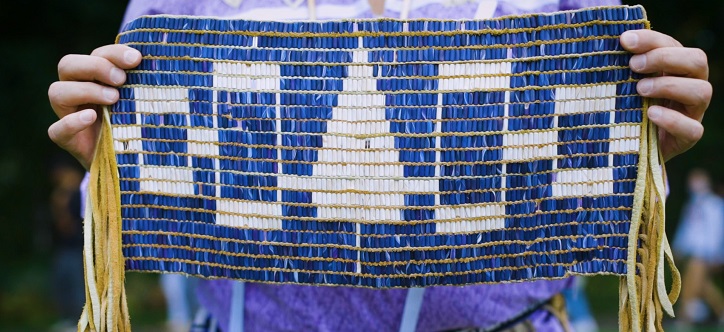
Re-examining history
The origin story of the Thanksgiving holiday in the U.S., celebrated the fourth Thursday in November, is loosely based on a 1621 harvest feast shared by English Pilgrims and the Wampanoag people of what is now Plymouth, Massachusetts. Over time, this story has been idealized, often minimizing the profound impacts of colonization and displacement that came later.
In 1990, the U.S. government established Native American Heritage Month, an initiative inspired by nearly a century of advocacy, including the work of Seneca archaeologist, Dr. Arthur C. Parker. While the acknowledgement does not fully address the mischaracterization of colonial relationships, the month offers opportunities to engage more meaningfully with Indigenous cultures.
Moving forward
What can meaningful engagement with indigenous culture look like? It can begin with listening, learning, and engagement. During the month of November, Cornell’s Indigenous Heritage Month events include lectures, exhibits, and a Cornell Dining experience called “Ǫgwahǫwéhneha:ˀ Gyǫhéhgǫh: Food of the Original People.”
Our work as a Health Promoting Campus extends the celebration of a “month” into ongoing, systems-level commitments based on health equity and social justice. Like other health-promoting colleges and universities, we commit to “value local and indigenous communities’ contexts and priorities” in our collective work. Doing so is a Guiding Principle of the international Okanagan Charter signed by our university leaders. It provides an opportunity for us as a campus to address past wrongs and to support and celebrate people, places, and the planet.